Insurance is often associated with protecting what we own—our homes, cars, and health. But life insurance is different. It’s the only type of insurance you buy not for yourself, but for the people you love. In a recent episode of Insurance Hour, host Karl Susman demystified life insurance by breaking down why it exists, how it works, the main types of policies, and how families can use it as both protection and planning.
What emerges is a clear picture: life insurance isn’t just about death—it’s about financial stability, responsibility, and legacy.
Why Life Insurance Exists
Most insurance protects you directly. Health insurance pays your medical bills, auto insurance fixes your car, and homeowners insurance rebuilds your house. Life insurance, however, exists to protect others when you’re no longer around.
Its core purpose is financial continuity. When income stops suddenly due to death, life insurance steps in to soften the blow for those left behind. Common reasons people buy life insurance include:
- Replacing lost income for surviving family members
- Paying off mortgages, car loans, and credit cards
- Covering funeral and final expenses
- Supporting estate planning and inheritance goals
- Funding charitable giving or business succession
As Susman explains, life insurance may look like a simple payout at death, but in reality it’s a planning tool that protects families from long-term financial disruption.
The Two Main Types of Life Insurance
Almost every life insurance policy falls into one of two broad categories: term life or permanent life. Each serves a different purpose.
Term Life Insurance: Temporary, Affordable Protection
Term life insurance provides coverage for a specific period—typically 10, 20, or 30 years. If you die during the term, your beneficiary receives the death benefit. If you outlive the term, the coverage expires.
Key advantages:
- Lower premiums compared to permanent policies
- Simple structure with no investment component
- Ideal for temporary needs like raising children or paying a mortgage
Limitations:
- Coverage ends when the term expires
- Renewals become expensive with age
- No cash value or savings feature
Term life is best viewed as a temporary safety net during your most financially vulnerable years.
Permanent Life Insurance: Lifetime Coverage and Cash Value
Permanent life insurance—such as whole life, universal life, and variable universal life—lasts for your entire life as long as premiums are paid. These policies also build cash value that grows over time and can be accessed during your lifetime.
Key advantages:
- Lifetime protection
- Cash value accumulation that can be borrowed against
- Fixed or flexible premiums depending on the policy design
Limitations:
- Higher premiums than term life
- Greater complexity, especially with investment-linked policies
- Requires long-term financial commitment
Permanent life insurance is designed for lifelong protection, estate planning, and long-term financial strategies.
Buying Life Insurance for Children: Planning, Not Prediction
Insuring a child can feel uncomfortable at first, but the reasoning is rooted in long-term planning rather than anticipating tragedy. Parents typically buy small permanent policies for two main reasons.
Guaranteed insurability:
Buying early ensures the child can never be denied coverage later in life due to illness or injury.
Long-term savings opportunity:
Some permanent policies allow parents to build tax-deferred cash value that can later help fund education, a home purchase, or other major needs.
The purpose isn’t to anticipate loss—it’s to create opportunity and security.
Life Insurance vs. a Will: Different Tools, Different Purposes
A will and life insurance often work together, but they accomplish very different things.
- A will distributes assets you already own.
- A life insurance policy creates new money at death and delivers it directly to beneficiaries.
Life insurance proceeds typically bypass probate, allowing faster access to funds and greater privacy. A will determines who receives assets; life insurance adds to what they receive.
Specialized Insurance and the Broader Role of Risk Protection
During the discussion, Susman also touched briefly on specialized coverage that demonstrates the broader purpose of insurance.
- Earthquake insurance cannot be required by lenders in California but can be a critical protection tool. Private carriers often offer more flexible options than state programs.
- Nonprofit insurance mirrors commercial insurance because risk does not change simply because an organization is not-for-profit.
The common thread is that insurance protects value—whether that value is a person, property, or mission.
How to Choose the Right Life Insurance Policy
Selecting the right policy begins with understanding your personal goals and financial responsibilities. Key questions to consider include:
- Who depends on your income?
- How long will your financial obligations last?
- What debts would remain if you were gone?
- What legacy do you want to leave?
- What fits your long-term budget?
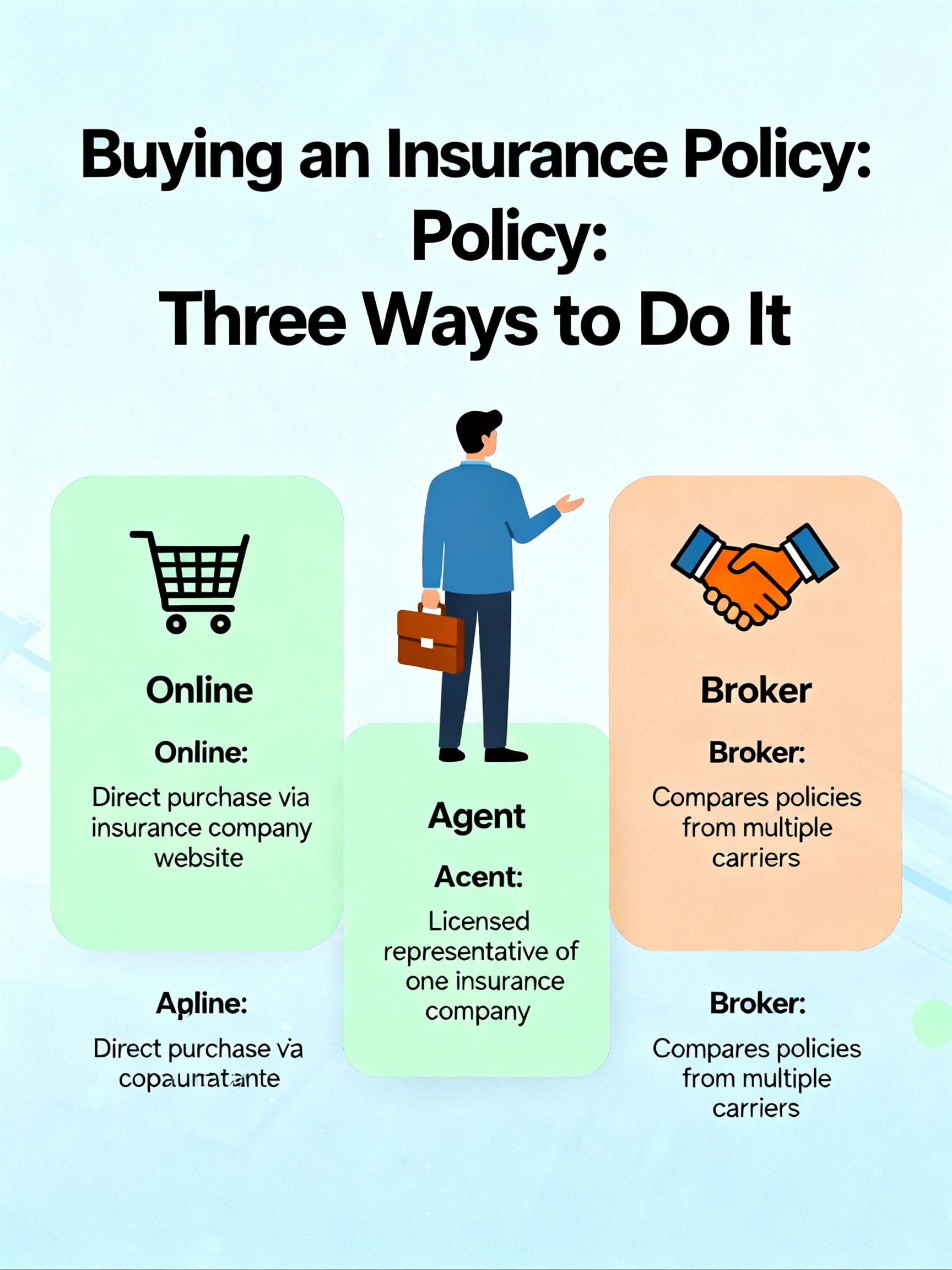
Susman strongly recommends working with an independent broker who can compare multiple insurers and tailor coverage to real-world needs rather than forcing you into a single company’s product lineup.
The Psychology Behind Life Insurance
Life insurance asks us to confront difficult realities—mortality, responsibility, and the future we may never see. Yet it’s also one of the most selfless financial decisions a person can make. Unlike other insurance types that protect you directly, life insurance protects the people you leave behind.
It’s not just a contract. It’s a promise of stability when everything else feels unsteady.
Final Thoughts: The Real Value of Life Insurance
The true purpose of life insurance is not simply to pay a death benefit. It is to provide time, space, and financial security to loved ones during one of life’s most difficult transitions. It replaces income, prevents debt from becoming a burden, and gives families the freedom to grieve without immediate financial pressure.
As Karl Susman reminds listeners, life insurance may not benefit you directly—but it can be one of the most meaningful gifts you ever provide to those who matter most.